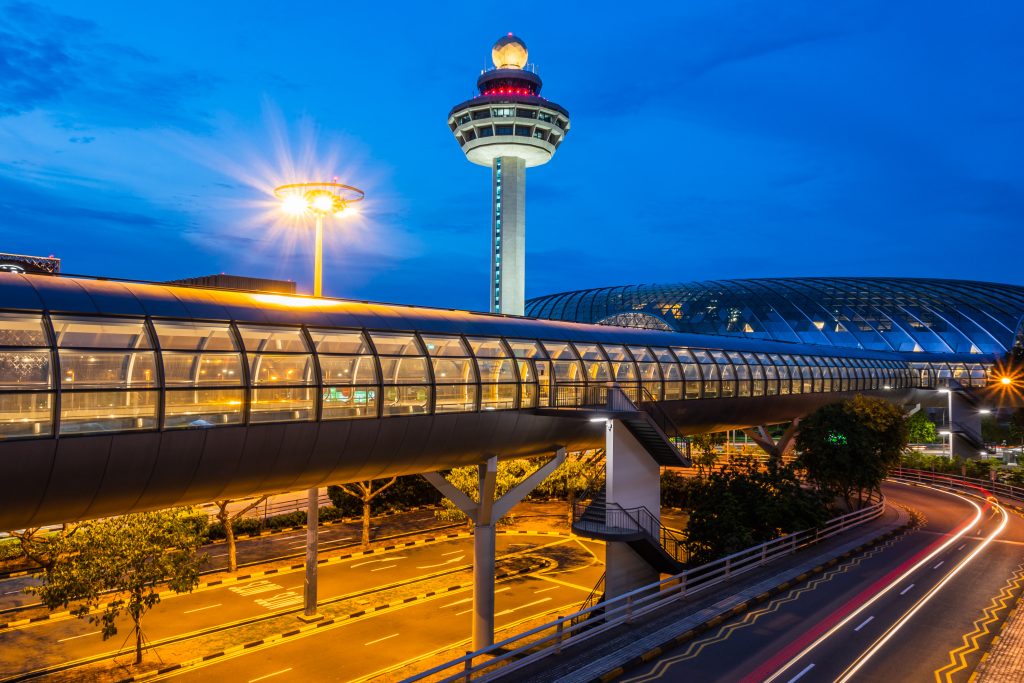
Building Intelligent, Cost-Efficient, and Sustainable Transport Infrastructure
Introduction
Airports, bus terminals, and railway stations are among the most energy-intensive public infrastructures in the world. Operating 24×7, they support complex systems-HVAC, lighting, baggage handling, escalators, signaling, retail spaces, EV charging, and safety systems-often under volatile passenger demand.
Traditional energy management approaches rely on static controls, siloed data, and reactive decisions. This results in:
- High energy wastage during low-occupancy periods
- Poor peak demand handling
- Limited visibility into asset-level performance
- Rising operational costs and carbon footprint
Digital Twin technology changes this paradigm.
By creating a live, virtual replica of physical assets and energy systems, Digital Twins enable predictive, adaptive, and optimized energy management across transport hubs.
Why Transport Hubs Need Digital Twins for Energy
Unique Challenges in Airports, Terminals & Stations
- Highly dynamic occupancy patterns (hourly, daily, seasonal)
- Multiple energy sources and loads operating simultaneously
- Legacy BMS systems with limited intelligence
- Regulatory pressure for sustainability and carbon reduction
- Tight operational margins and public accountability
A Digital Twin provides continuous situational awareness and decision intelligence-not just monitoring.
What a Digital Twin for Energy Looks Like
A Digital Twin for transport infrastructure integrates:
- Building Management Systems (BMS)
- Energy meters & IoT sensors
- Historical utility bills (12-36 months)
- Operational schedules & passenger flow data
- Weather, tariff, and grid data
These inputs power a virtual model that mirrors:
- Energy consumption patterns
- Asset behavior
- Demand-response scenarios
- Cost and carbon outcomes
Core Use Cases by Infrastructure Type
Airports
- Terminal HVAC Optimization
- Adjust cooling/heating based on real-time passenger density
- Runway & Apron Lighting Optimization
- Intelligent scheduling tied to flight operations
- Peak Demand Management
- Predict and shave peak loads during high traffic hours
- Renewable & Storage Integration
- Optimize solar + battery usage for terminals
Outcome:
20-35% energy savings, improved passenger comfort, reduced grid dependency.
Bus Terminals
- Dynamic Load Control
- Scale lighting, ventilation, and displays based on occupancy
- EV Charging Optimization
- Balance charging loads for electric buses
- Predictive Maintenance
- Identify inefficient systems before failures
- Tariff-Aware Operations
- Shift loads to off-peak tariff windows
Outcome:
Lower operating costs, better service reliability, improved sustainability compliance.
Railway & Metro Stations
- Platform & Concourse Energy Optimization
- Zone-based HVAC and lighting control
- Escalator & Elevator Intelligence
- Demand-based operation instead of always-on
- Multi-Station Energy Benchmarking
- Compare performance across stations
- Carbon Accounting & Reporting
- Automated sustainability reporting
Outcome:
Standardized efficiency, reduced emissions, and scalable energy governance.
How the Energy Baseline Is Created
A Digital Twin does not guess-it learns from real data.
Step 1: Historical Energy Bills (12 Months)
- Establish total consumption (kWh)
- Identify seasonal and tariff patterns
- Create cost baseline
Step 2: BMS & Meter Data
- Break down consumption by system (HVAC, lighting, etc.)
- Capture real operational behavior
- Identify inefficiencies and anomalies
Step 3: Normalization
- Normalize energy use against:
- Occupancy
- Weather
- Operating hours
Step 4: Baseline Digital Twin
The result is a validated, data-backed energy baseline used for:
- Simulations
- Forecasting
- Savings measurement
Simulation & Optimization Scenarios
Once the baseline is established, operators can simulate:
- “What if we reduce HVAC runtime by 15% during off-peak hours?”
- “What is the ROI of adding battery storage?”
- “How much can we save by changing tariff plans?”
- “What happens during passenger surges or disruptions?”
Each scenario delivers:
- Energy impact
- Cost impact
- Carbon impact
- Operational risk assessment
Strategic Benefits for Authorities & Operators
- Operational Cost Reduction: 20-40%
- Carbon Emission Reduction: Measurable and auditable
- Improved Asset Life: Predictive maintenance
- Regulatory Compliance: Automated reporting
- Future-Ready Infrastructure: Scalable across cities and networks
Conclusion
Transport infrastructure is no longer just about movement-it’s about intelligent operations.
Digital Twins for Energy Management enable airports, bus terminals, and stations to move from reactive cost centers to proactive, sustainable, and optimized ecosystems.
With platforms like URJAA – Digital Twin for Energy Management, transport authorities gain:
- Real-time intelligence
- Strategic foresight
- Financial and environmental control
The future of transport infrastructure is digital, predictive, and energy-intelligent.